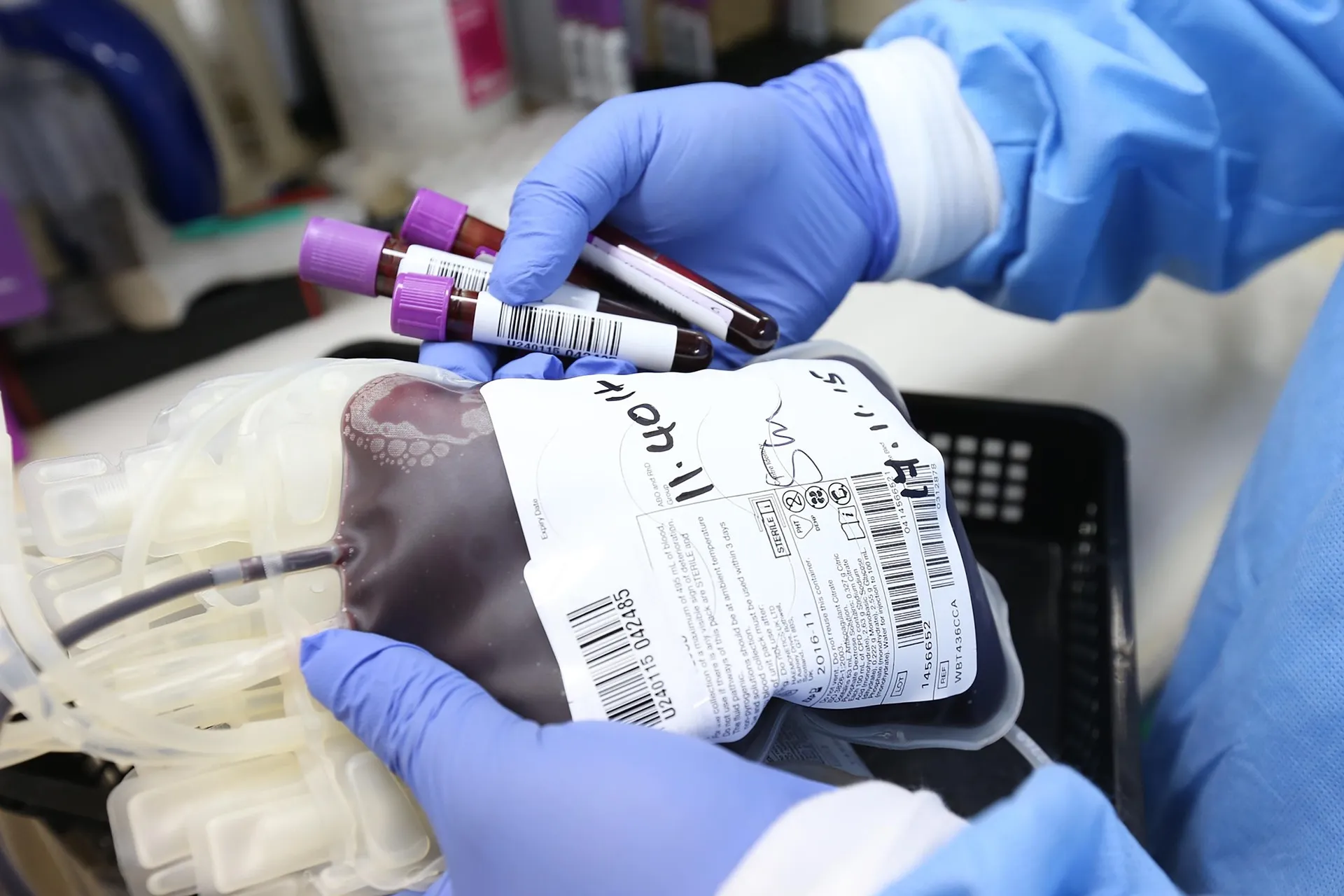
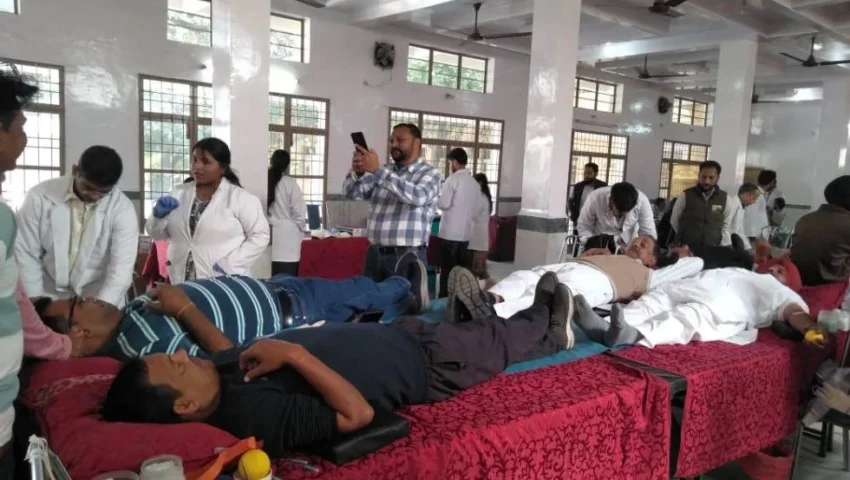
Blood is made up of different components and, invariably, a patient needs a transfusion of just a particular component. Utilizing whole blood is wasteful, and sometimes even undesirable. It is now the standard practice of all modern blood banks to separate blood into components and ensure the optimum utilization of this precious resource

Whole blood has cellular components comprising red blood corpuscles, white blood corpuscles,
platelets suspended in plasma solution (liquid plasma consisting of water, electrolytes, albumin,
globulin, coagulation factors and other proteins). It is needed when both red cells mass and total
volume must be restored, as in massive haemorrhage.
- Red Cells
The majority of donated blood goes to people with cancer, as well as people who have suffered
traumatic accidents, burns or who undergo surgery.
- Plasma
Plasma contains very important proteins, nutrients and clotting factors which help to prevent and stop bleeding. It is required in bleeding patients with coagulation deficiency problems secondary to liver disease, disseminated intravascular coagulopathy, Factor V or Factor IX deficiency
- Platelets
Platelets are used to help clot the blood and seal wounds in surgical and cancer patients. Leukaemia and chemotherapy treatments can reduce a patient’s platelet count. They are needed in cases of bleeding due to severe thrombocytopenia and prophylactic therapy.
Blood has a Short Shelf Life
All blood components have a short shelf life, creating the need for a constant blood supply.
- Platelets
Up to 5 days
- Red Blood Cells
42 days
- Plasma
Upto one year
from our news