Types of Blood Donation
- VOLUNTARY :
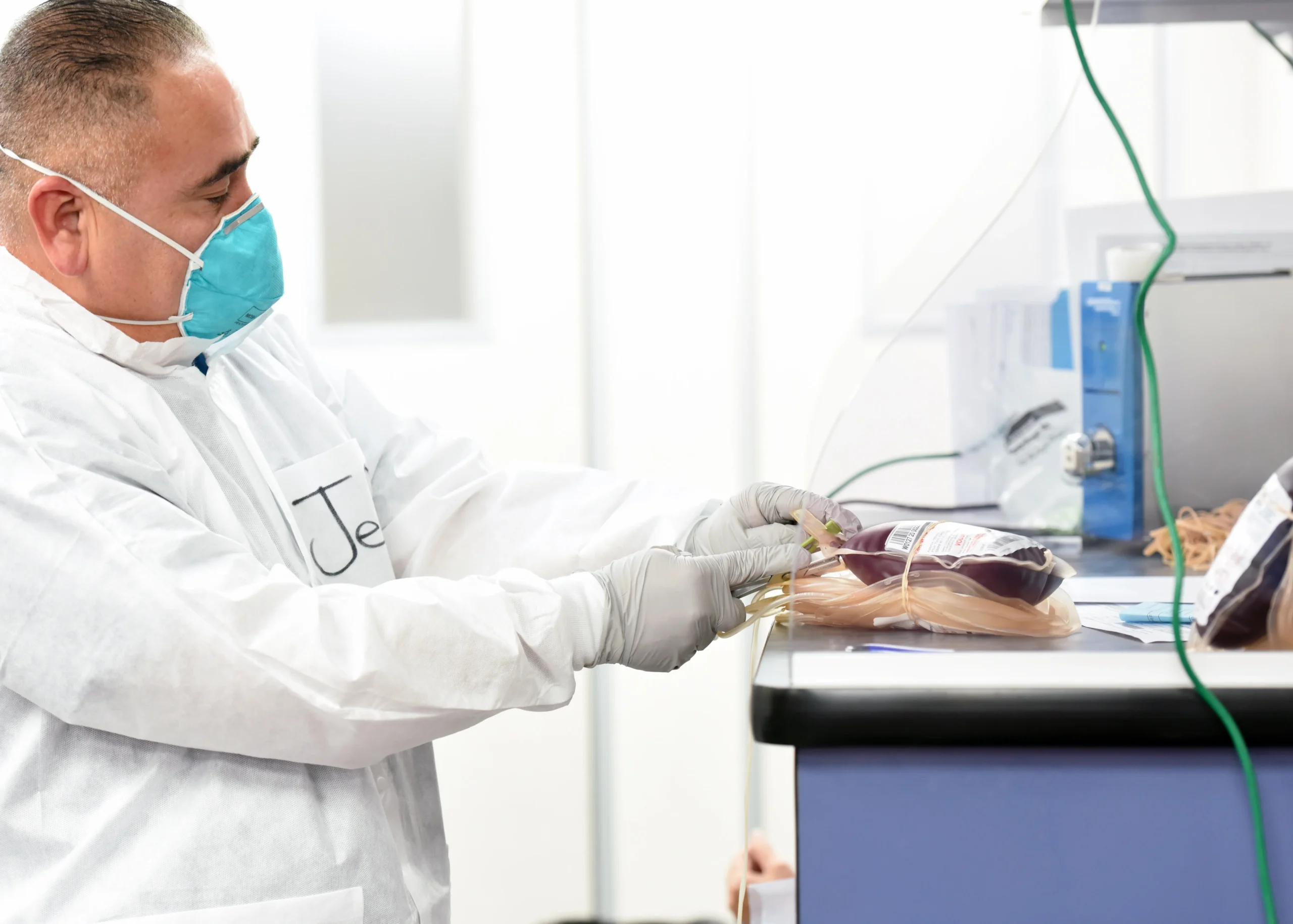
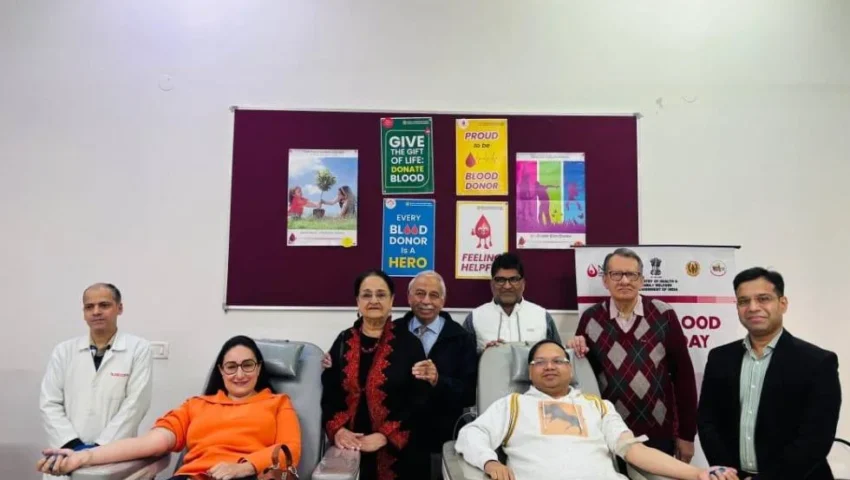
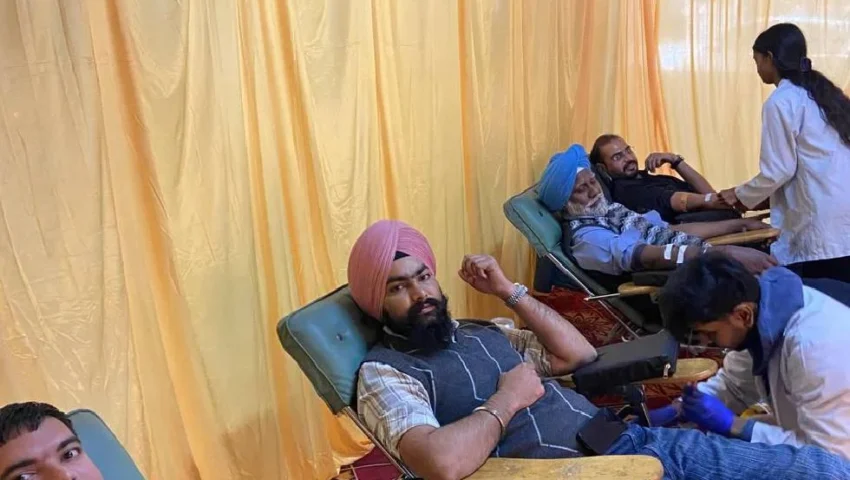
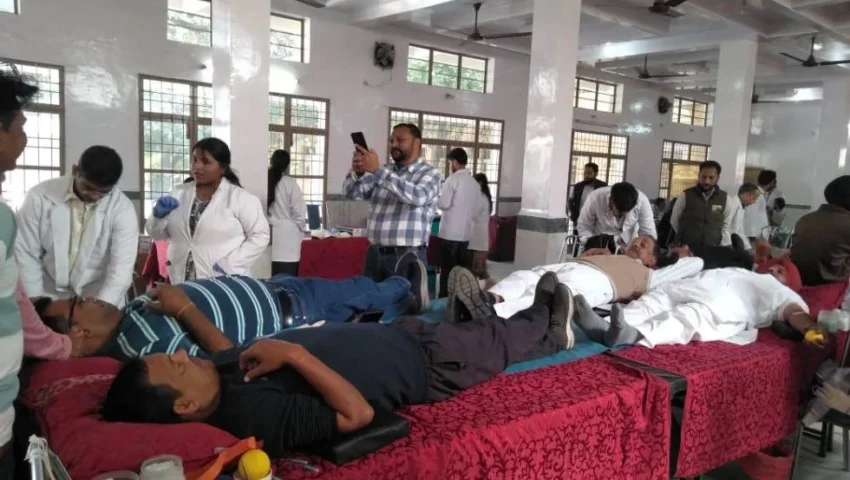
Voluntary blood donation involves individuals donating blood without receiving any payment or remuneration, either monetary or in kind. It’s a selfless act of altruism where individuals donate blood solely for the purpose of helping others in need. This practice is crucial for ensuring a safe and sufficient blood supply for transfusions and medical procedures.
- REPLACEMENT:
- PROFFESIONAL / PAID:
- AUTOLOGOUS
Autologous blood donation is the process where a person donates their own blood for their own future use, typically for a planned surgery or procedure. It involves collecting the blood in advance and storing it for later transfusion back into the same individual, which will help reduce the likelihood of transfusion reactions as well as infections.
Blood donation saves lives by providing a critical resource for medical treatments and emergencies. There are various blood donation types, each serving specific purposes and catering to different needs.
Whole Blood Donation
Whole blood donation is the most common and popular kind of blood donation. It involves drawing one unit of whole blood, which consists of red blood cells, white blood cells, platelets, and plasma. Post donation, the blood is usually divided into parts for use in different medical procedures. This type of donation is flexible and can be used for transfusions during surgeries, emergencies, and treatment of blood disorders among others.

- Platelet Donation
Platelets are small cell fragments which help in clotting thus preventing too much bleeding. During a platelet donation, the donor’s blood is taken apart to get platelets while leaving other components behind. Platelets usually have a short shelf life, and they are important for people who have clotting problems, cancer patients on chemotherapy treatment as well as those undergoing organ transplants, thrombocytopenia due to dengue. Platelet donation may take a longer time compared to whole blood donation, but it is highly important for any patient who may require platelet transfusion.
- Plasma Donation
Plasma acts as a carrier of nutrients, hormones as well as proteins throughout the human body. Plasma donation is the process of extracting plasma from a person and returning red blood cells plus platelets. Medicines made from plasma are used to save lives like immunoglobulins and clotting factors. It is beneficial to donate plasma to persons with immunodeficiency or those who have no ability to form blood clots.
- Directed Donation
- Donate Blood